Dog breed photo search
SmartBreeds.io
Upload a dog photo, see the top breed match with confidence, and compare the closest alternatives before opening the breed guide.
How a result reads
Top breed first, then the closest alternatives.
You see the top breed match, a confidence score, and the closest alternative breeds together. Research notes and reliability details stay on the case study and report pages.
- Top breed, confidence, and closest alternatives are shown together.
- Restart with a new photo from the same screen.
- Case study and report pages cover the full methodology.
96-second research preview
The case study embeds the video with captions, the charts, and the weak-class tables.
Measured, not inflated
The useful story is narrower than a product claim.
SmartBreeds is not presented as a final benchmark or a deployed guarantee. The result is a reproducible calibration study with visible failure modes.
Reliability visuals
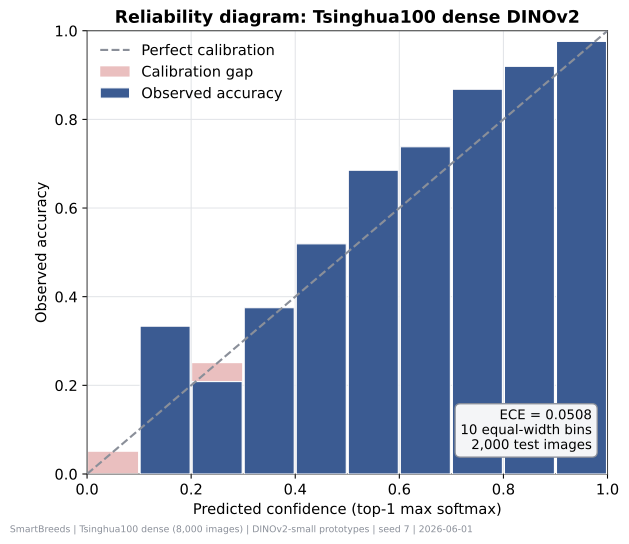
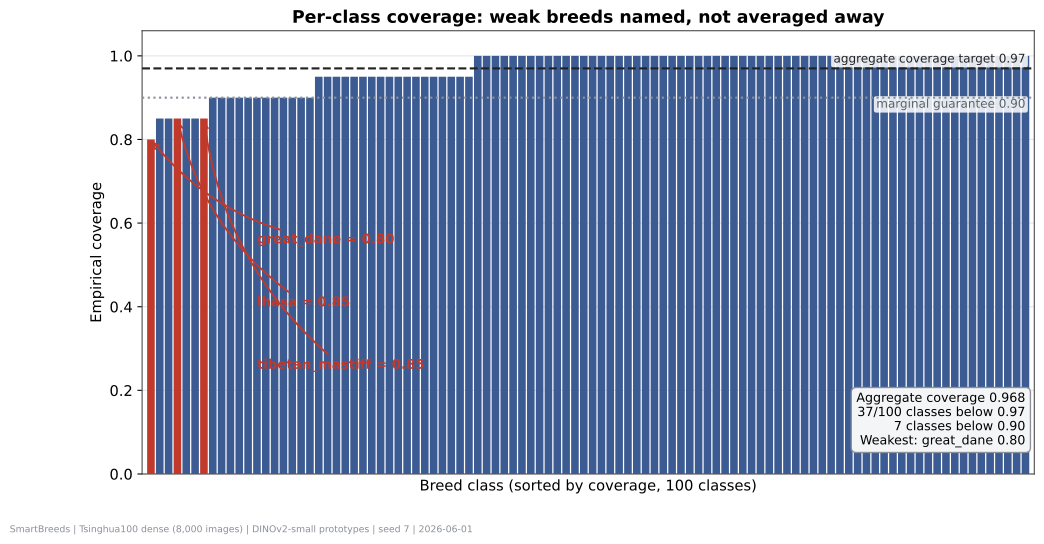
Charts are part of the claim boundary.
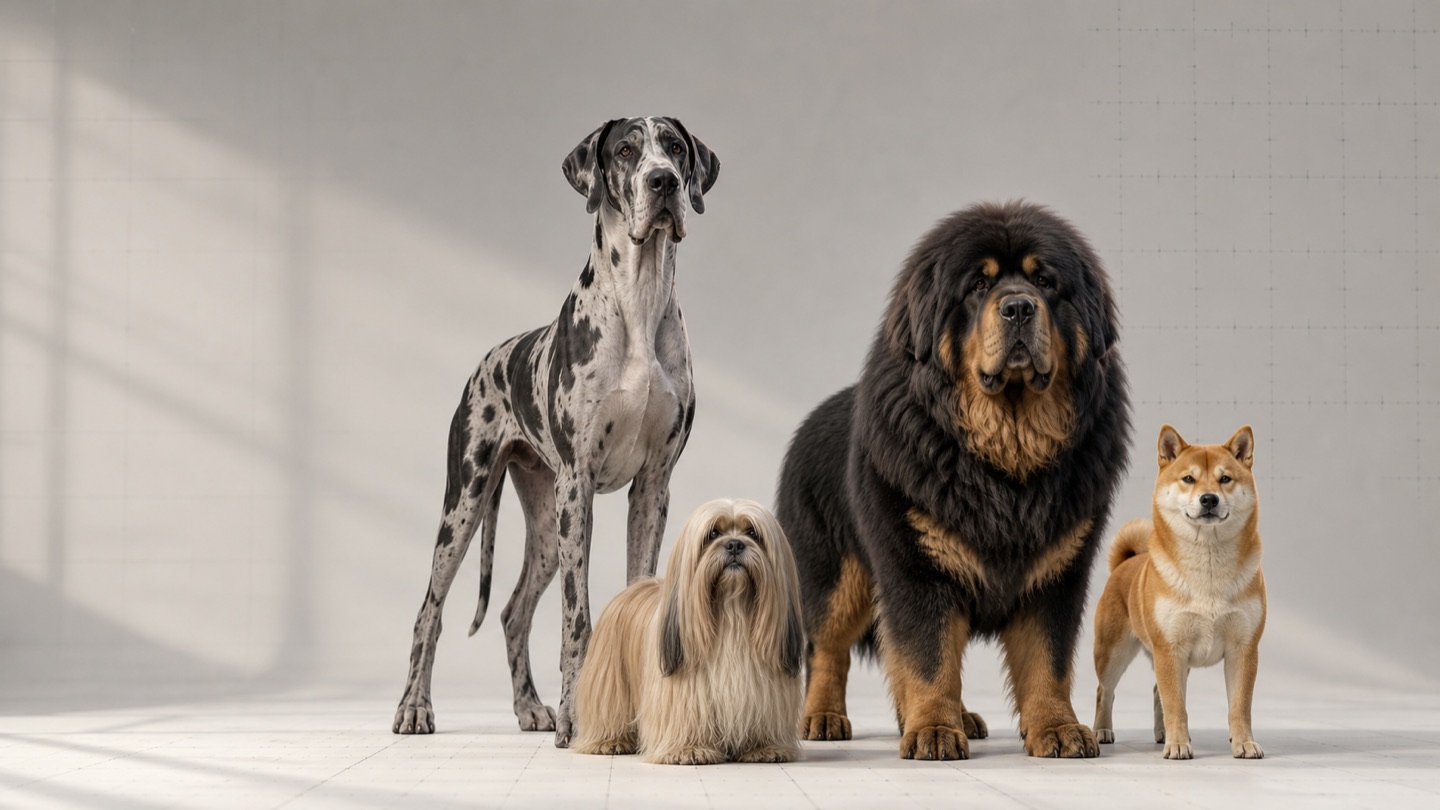
These figures are public-safe research visuals. Dataset-derived dog photos stay private until the license review is complete.
Reliability readout
| Quantity | Value | Scope |
|---|---|---|
| ECE | 0.0508 | 2,000-image test split |
| Top-1 | 0.8455 | DINOv2-small prototypes |
| 0.9-1.0 bin | 0.968 confidence / 0.976 accuracy | 918 predictions |
Lowest global RAPS classes
| Breed | Coverage | Mean set size |
|---|---|---|
| great_dane | 0.80 | 3.45 |
| lhasa | 0.85 | 2.35 |
| tibetan_mastiff | 0.85 | 2.50 |
Next research gate
Weak-class coverage gets priority over bigger claims.
The next work targets lhasa, tibetan mastiff, great dane, and the worst Mondrian class. The research question is whether structured pooling can tighten sets without burying class-specific failures.
Product routes